Meu Querido Abismo
(My Beloved Abyss)
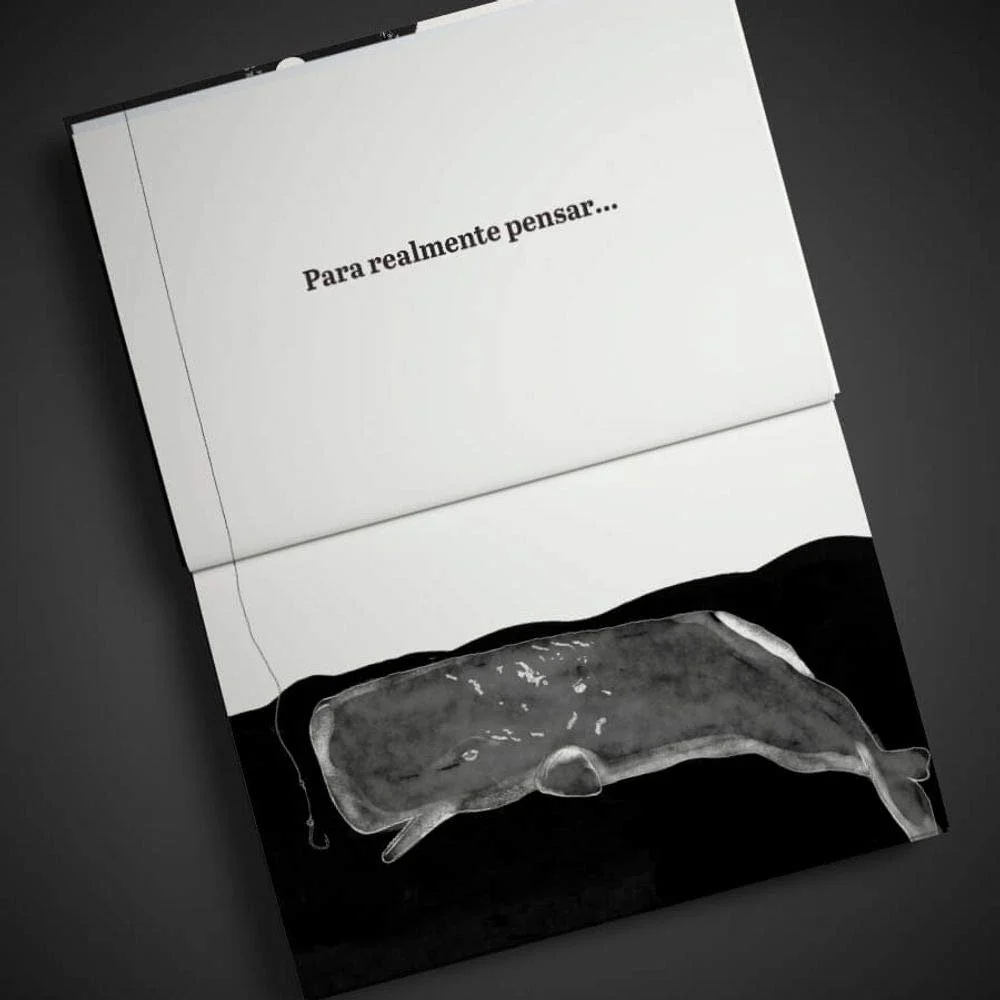
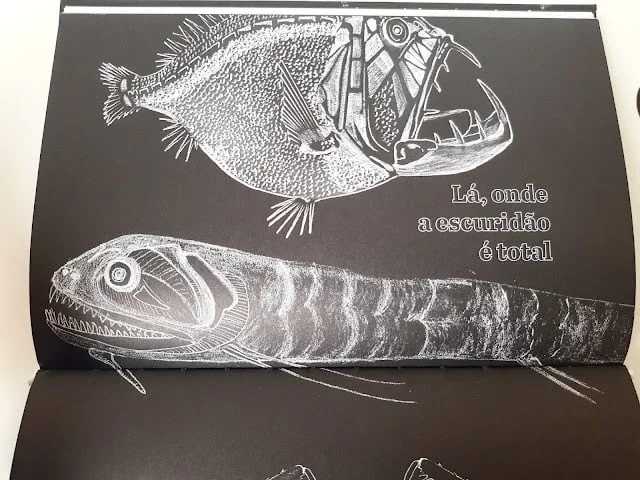
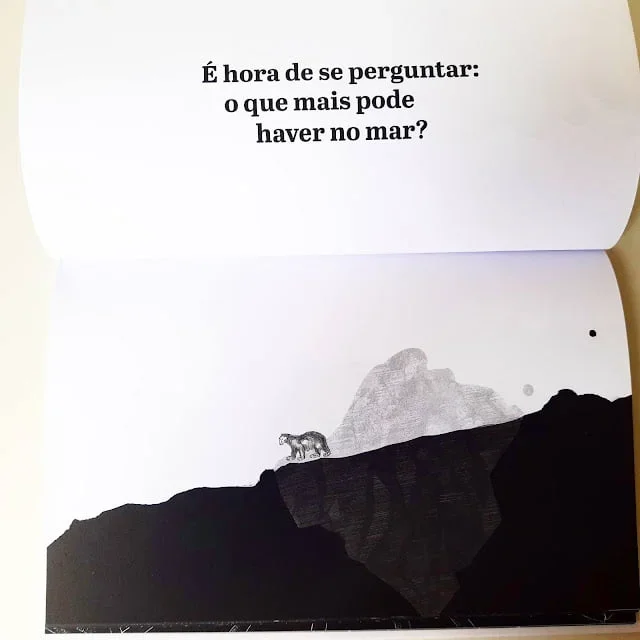
A story about thinking, told as a dive into the sea. It begins at the surface and sinks deeper, where strange, rare ideas wait in the dark. Written for children, young adults, and the grown-ups who read with them.

ContraBANDOS
A debut that questions what feels certain. Not pure poetry, not quite prose. Just short pieces driven by metaphor, rhythm, and a quiet line of irony.
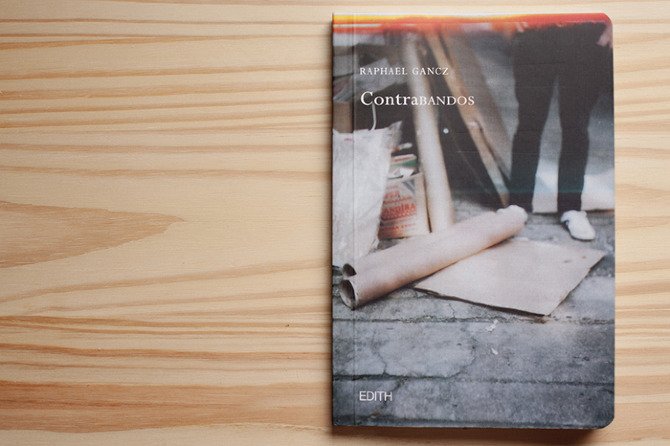
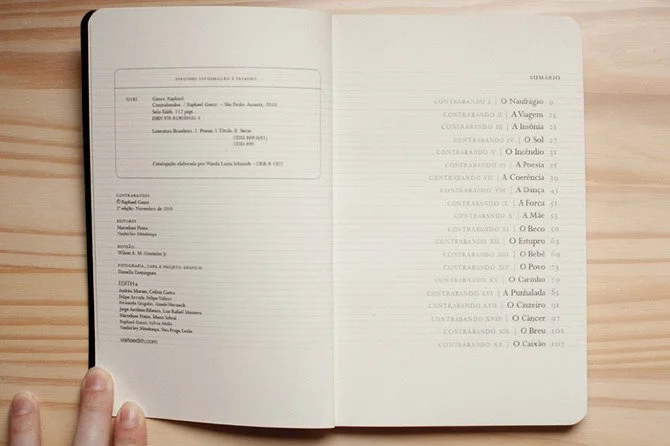
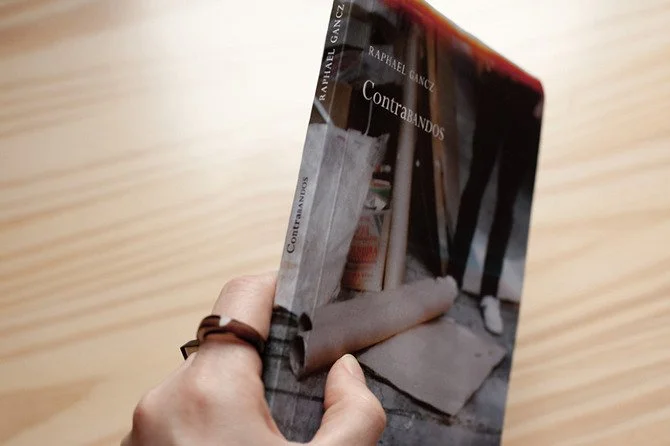
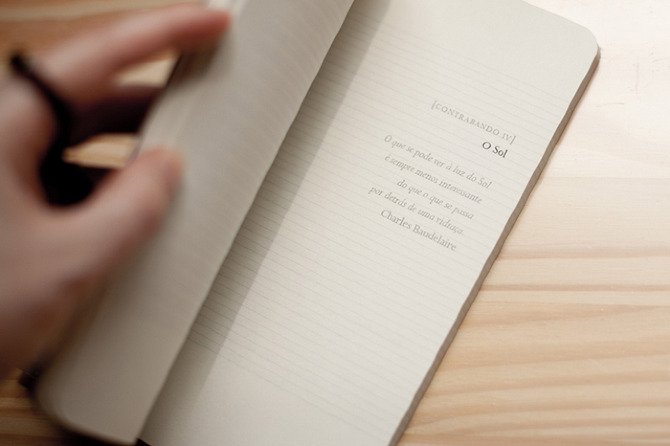
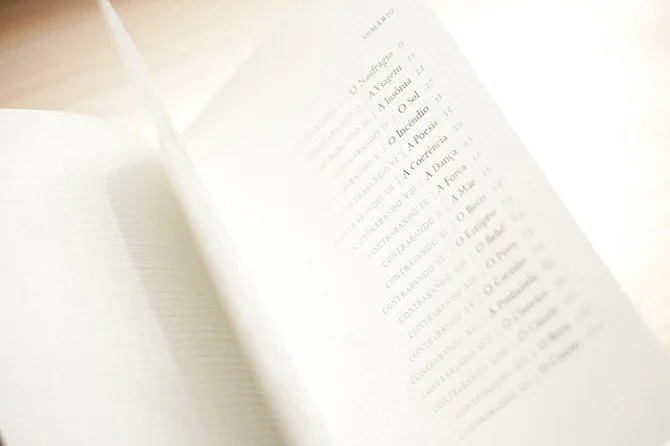
“A collection of twenty brief and devastating essays that, with philosophical maturity, goes against beautiful ideas, political correctness and common sense.
”
-
Description tIn literature labs and workshops, young students ask me what they should do to “write well”. They ask for formulas, exercises, tricks and demand to be given tests, and to be graded, in the hopes of, rapidly, becoming writers. There’s no daring: they want instant, prêt-á-porter, metamorphosis. The idea of missing a step, or stumbling, terrifies them. They see themselves as a posse, and not as singular individuals, and repetition – just like the designer brands in shopping malls – relieves them.
It is disappointing that it is the youngest ones who ask me for coherence, strategy and effectiveness. The only thing left for me to do is to fight to convince them that literature has no relation with pragmatism, or with good results. If there is a logic that is always present in literature, it’s the logic of incoherence. If something can be transmitted, it is not the recipe, or the infallible formula, but the stimulus to make “good mistakes”.
That is why I read with intense enthusiasm to “ContraBANDOS”, the first book by 30-year-old Raphael Gancz, published by Selo Edith, from São Paulo. A collection of twenty brief and devastating essays that, with philosophical maturity, goes against beautiful ideas, political correctness and common sense. Against posses (contra bandos), Raphael bets firmly on the singular. Behind his poetic manifestos, a shadow insinuates itself: that of Paulo Leminski. But he also kills it.
A poet of the uncommon, Raphael is quick to warn: “Coherence is a tyranny. A maximum security prison. A lock fettering feelings”. Restrained and cowardly, he continues, coherence is nothing but a collar, like the ones used to drag pedigree dogs. “It doesn’t like improvising, walking aimlessly, or using the random mode”. They shiver before the unexpected and the accidental. Raphael prefers stray dogs.
Coherence excludes random events and clings to systems and patters. Medicine directions, suggested uses, instruction manuals, fascinate it. But how to make literature while handcuffed? Coherence is adequate – but literature has nothing to do with comfort. Literature is discomfort, is challenge, and this is how Raphael practices it.
Ferocious, he jumps on the neck of sacred commonplaces, starting with those that prowl poetry itself. “Poetry talks too much. Its tongue is bigger than its mouth”, he writes. He doesn’t hesitate to compare it to a bitchy, skinny, fake, elitist, horrendous woman who speaks without saying anything and who is, ultimately, just an empty shell. Poetry, he insists, is turbid, bickering, twisted. At least poetry that craves to be poetic.
It reminds me, straight away, of João Cabral, who wished to “unpoeticize poetry”, as if spraying a house with insecticide, in order to make poetry away from poetry – and actually made it. The same ferociousness of Cabral replicates in Raphael who, right in the first epigraph relies on Baudelaire and evokes other damned poets (I’m thinking Françoise Villon, Gregório de Mattos, Orides Fontela; he’s probably thinking Leminski), to invert the moral of things we disavow, such as rape, poison and stabbing. Working through the negative: that is his poetic strategy. Looking with fresh eyes at even the most repulsive things. Risking climbing up to new lookout points, even if at the edge of the abyss.
Therewith, Raphael confronts some of the most pampered contemporary myths. Travel, a universal standard of difference and surprise, in which we see from a distance more than near: “travel is commonplace”. The clarity (the sun), which is obvious, stupid and blind and flattens the world with its light. Not even the venerable mother figure is spared. “Mothers are trunks. Warehouses. Of embarrassing ideas” – he screams.
He approaches the angelical image of babies to see it with discomfort, which causes “retch, disgust, distaste, depression”. Without backing down, Raphael writes: “Babies are a miscalculation. Parasites expelled to be cultivated”. He tramples heredity, natural feelings, the beauty of love. And says it all when he says: “A baby is a boss. During and after working hours”. What parents with dark rings under their eyes would dare to deny him?
Other sacred ideas collapse. The people, Raphael writes, are a hive. “The people are a bore”. Even the sweetness of affection is repetitive and obsessive. “Affection is a prop”. One hundred and ten years after his death, Nietzsche reincarnates in Raphael, who writes to invert standards, trespass boundaries and invert convictions. To him, what’s really dangerous is the harmless things. He prefers the dangerous ones: they bare their teeth.
Therefore, he even dares to compliment stabs. “Stabs don’t waste time with threats”. And still – a great relief in a world of half-words and empty protocols: “Stabs are replies”. Raphael doesn’t stop. He grabs currently abject objects like ashtrays and re-thinks them: “An ashtray is an intimate piece”. And, sensible to the silence of things, he adds: “Ashtrays are ears turned upside”.
It is astounding how Raphael grabs the thorns of concepts with a firm hand. Courageous, he confronts the readers who are lazy to think. How we prefer ideas that are ready-made and serial, like T-shits and jeans pants! Here it is Gustave Flaubert, and his “Dictionary of Accepted Ideas”, from 1880, that we catch a glimpse of.
In the most vibrating chapter of the book, XVII, dedicated to cancer, Raphael points out the danger hidden in our industrial values, which praise development, progress and reproduction. “Cancer originates, grows, reproduces. And kills”, he starts his shootout. It evolves, matures, multiplies itself. “Cancer is a visionary contractor. It analyzes organs. Opens branches. Makes cells produce, year after year, more and more”. Death is its commendation.
Cancer is productive. It proliferates. “Cancer is progress” – and who could deny him? In the final chapter, inverting our views of death, Raphael shows that coffins are also multiplying machines. “They are the vase that accommodates the sprouting of bacteria”. Fungi, maggots: “Coffins involve births”. They are vessels between life and other lives. “They are wombs”.
Raphael is 30 years old, and I’m turning 60. His writing unfolds and challenges me: I don’t know if I am half of a Raphael. The failure of logical time and biological laws. The defeat of coherence. I need to read “ContraBANDOS” again and unlearn a little bit more with Raphael.
José Castello, in O GLOBO, one of the biggest Brazilian newspapers.
Master in Communication at Federal University of Rio de Janeiro, José Castello is a columnist of the “Prosa&Verso” section of Rio newspaper O GLOBO, collaborator of newspaper VALOR ECONÔMICO, magazines BRAVO! and ÉPOCA, and literature portal RASCUNHO. He was chronicler and literary reporter of newspaper O Estado de São Paulo, editor of the “Idéias” supplement of Jornal do Brasil, and of the Rio office of Istoé magazine, as well as reporter of Veja magazine. He is the author of the romance Fantasma (finalist of the Jabuti award 2003) and books about writers such as João Cabral de Melo Neto – O homem sem alma (The man without soul), and the biography of poet Vinicius de Moraes, O Poeta da paixão (The passion poet) (Winner of the Jabuti award in 1994). José Castello is also a member of the jury of the Portugal Telecom Literature Award.ext goes here
Other publications
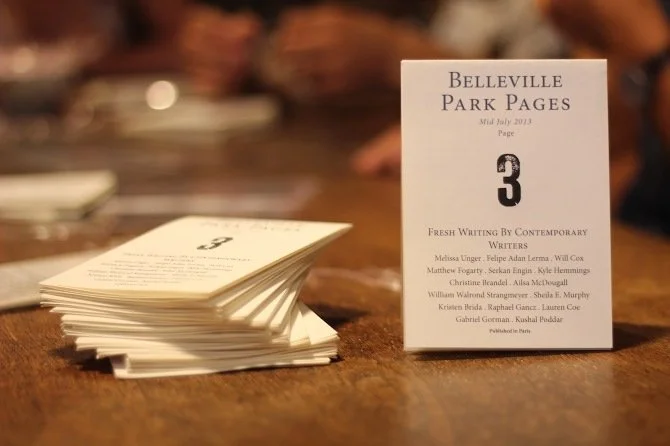
Parisian publication featuring my poetry.
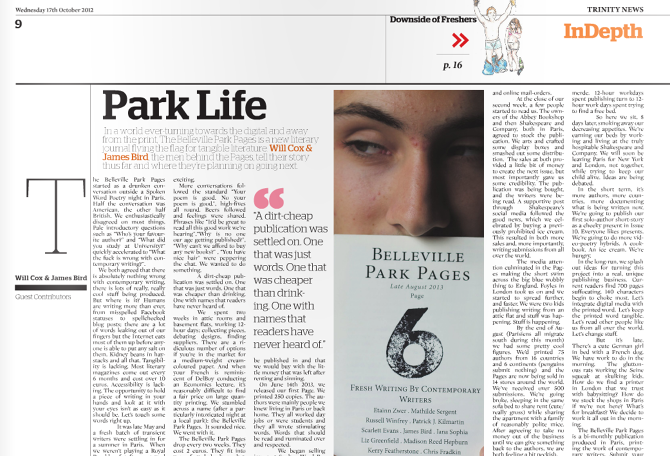
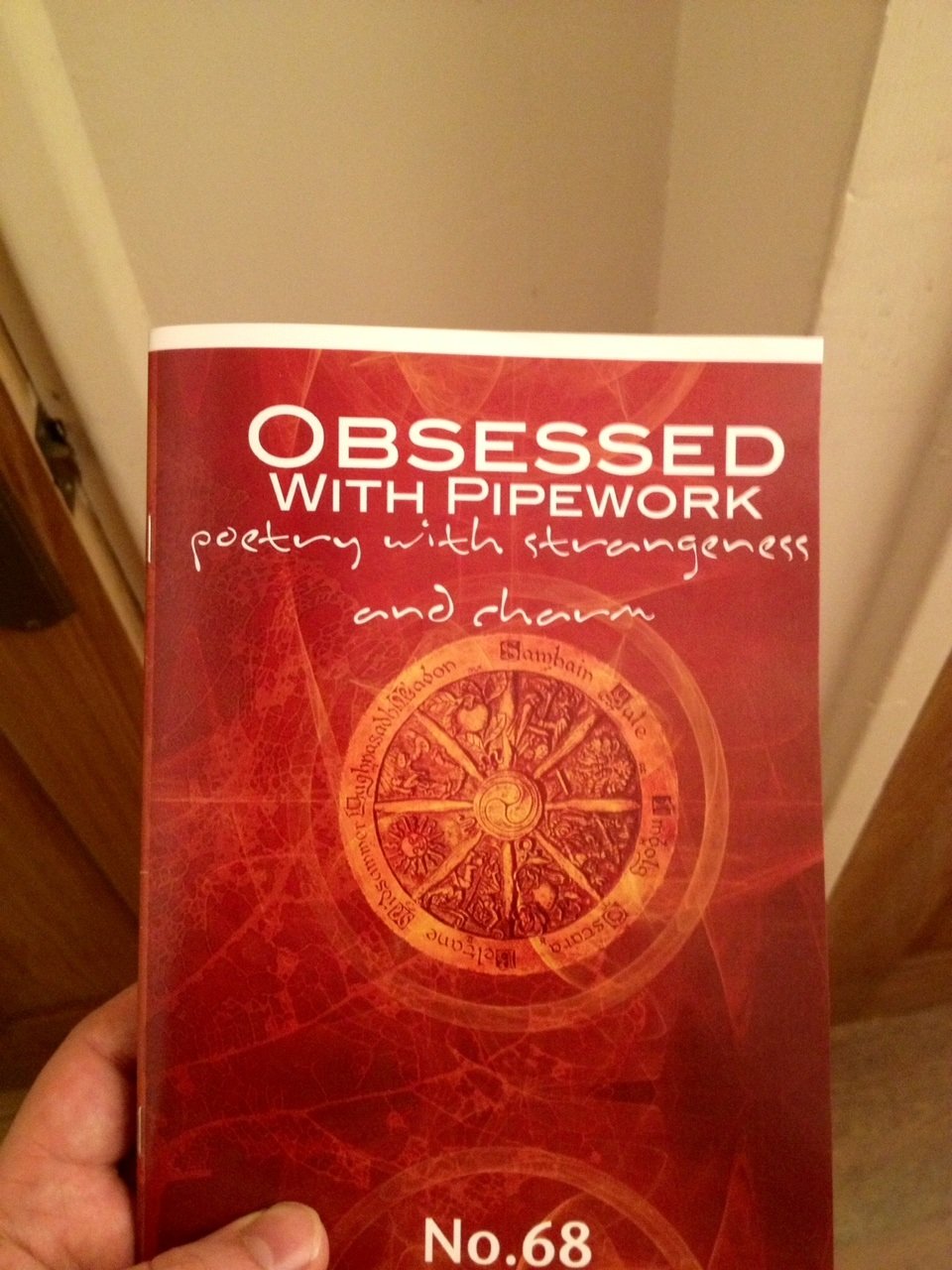
British publication featuring my poetry.